Parents ask the same question before every family safari. What does a full day actually look like once you add a six-year-old and a toddler to the mix? Brochures show sundowners and lion sightings. They rarely show the 5:30 a.m. wake-up call, the snack negotiations, or the nap that eats into the afternoon drive.
This guide walks through a real day at a Kenya family camp, hour by hour. It uses named camps, real drive times, and typical age policies. Touring Insights built it from how family camps in the Mara, Samburu, and Ol Pejeta actually run their schedules. That is different from how the marketing photos frame them.
What Time Does a Family Safari Day Actually Start
Most camps knock on your tent between 5:45 and 6:15 a.m. with tea, coffee, and biscuits. That timing is built around predator activity, not adult sleep preferences. Lions and hyenas are most active at dawn, so guides push to be in the vehicle by 6:30.
With kids, camps flex this. Family-oriented properties often push the first drive later for young children. Elephant Bedroom Camp in Samburu and Porini Lion Camp in the Ol Kinyei Conservancy will shift to 7:00 or 7:15 for families with kids under six. Ask your camp to confirm a later start when you book. It is a normal request, not a special favor.
Breakfast at Camp: Bush Bites Kids Will Eat
Camp kitchens plan for two breakfast styles. A full sit-down spread happens back at camp between drives, usually 8:30 to 9:30 a.m. On longer morning drives, staff pack a bush breakfast instead, set up under a tree or beside a river.
Kids’ menus lean toward what actually gets eaten: pancakes, scrambled eggs, sausages, fresh fruit, and juice. Most camps will pre-arrange plain pasta or chicken fingers for dinner if you flag a fussy eater at check-in. Samburu camps in particular are used to accommodating young palates, since the region draws a steady flow of multi-generational family bookings.
The Morning Game Drive With Young Kids
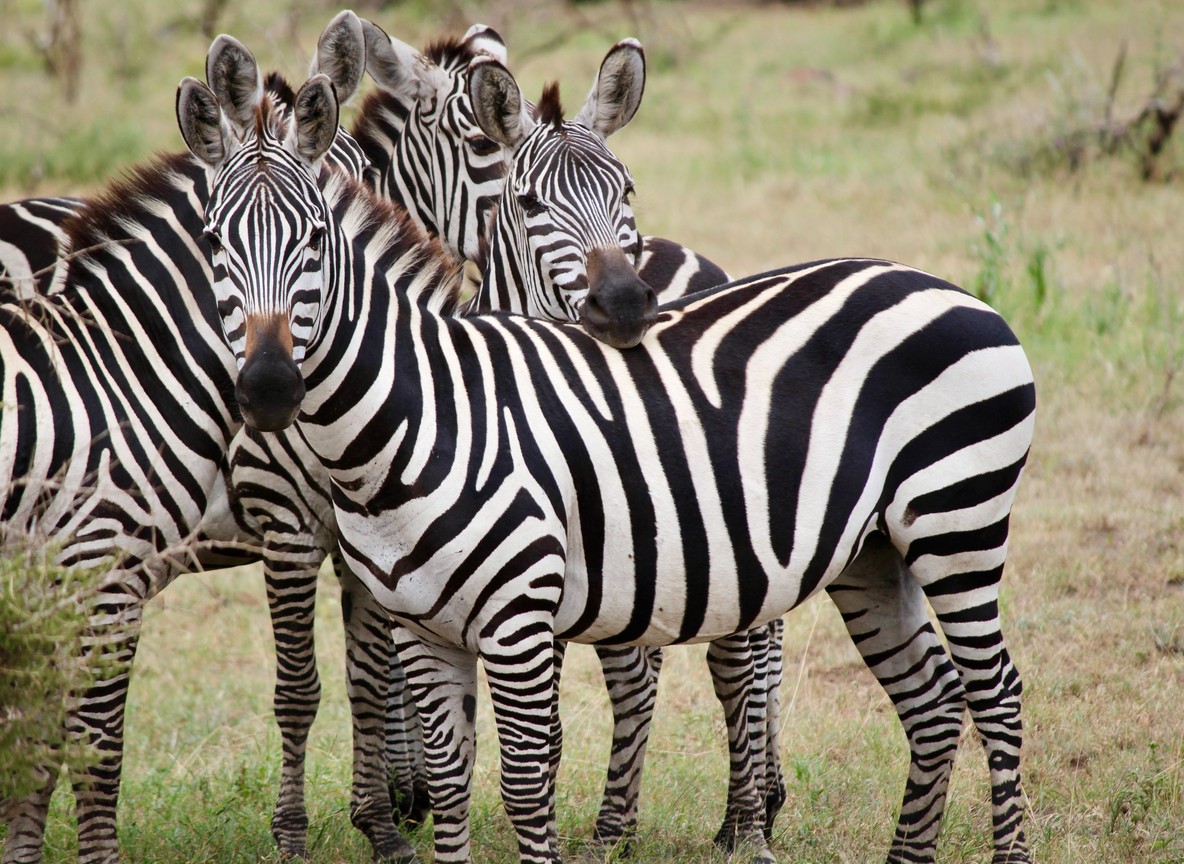
A standard adult game drive runs 3 to 4 hours. With young children, plan for 90 minutes to 2 hours before attention spans wear thin. Good guides read this early and build in stops. A stretch break near a waterhole, a close look at dung beetles, or a short walk near the vehicle can reset the mood.
Conservancies generally handle this better than the open reserve. Private conservancies like Naboisho and Ol Kinyei limit vehicle numbers per sighting and allow off-road driving. A guide can peel away from a long lion-watching session once kids get restless, without the rest of the group missing out.
Midday Downtime: Pools, Junior Ranger Clubs, and Naps
Camps return by late morning and the middle of the day becomes the actual parenting shift. Lunch runs 12:30 to 1:30 p.m. Rest hours follow until the afternoon drive departs around 3:30 or 4:00 p.m.
This is where family-dedicated camps earn their reputation. Several run junior ranger programs. These are short, guided activities like track casting, bead-making with local Maasai staff, or a walk around camp grounds to spot birds and insects. Ol Pejeta Bush Camp sits close to the Sweetwaters Chimpanzee Sanctuary. It is an easy add-on stop that breaks up a long midday lull. A shaded pool, where the camp has one, is often the single biggest factor in how smoothly the afternoon goes.
Family Camps Compared: Ages, Tents, and Kids’ Programs
| Camp | Region | Family Setup | Minimum Age (Game Drives) | Nearest Airstrip | Indicative Rate (per adult, low season) |
|---|---|---|---|---|---|
| Elephant Bedroom Camp | Samburu National Reserve | Interconnecting family tents | No minimum | Kalama / Samburu (1 hr flight from Nairobi) | $350-550 |
| Porini Lion Camp | Ol Kinyei Conservancy | Family tents, kids’ bush activities | 6 (walking safaris); no minimum for drives | Ol Kiombo (5-6 hr drive, ~270 km from Nairobi) | $400-650 |
| Sarova Mara Game Camp | Masai Mara (Oloolaimutia Gate) | Family rooms, kids’ club | No minimum | Keekorok / Oloolaimutia (5-6 hr drive) | $220-380 |
| Ol Pejeta Bush Camp | Ol Pejeta Conservancy | Family tents near Sweetwaters | 5 recommended | Nanyuki (30-40 min flight, ~200 km drive) | $300-500 |
| The Emakoko | Nairobi National Park | Family house, sleeps up to 6 | No minimum | N/A, 30-40 min drive from JKIA | $350-550 |
| Angama Mara | Masai Mara (Oloololo Escarpment) | Limited family suites | 8 (property policy) | Musiara (5-6 hr drive) | $900-1,400 |
Rates above are indicative, shift by season, and should be confirmed directly with the camp or your booking partner before you commit dates. Angama Mara is included to show the contrast. Some premium camps set a higher minimum age, so always check before booking a property with very young children.
The Afternoon Drive and Sundowner Stop
Afternoon drives run roughly 3:30 to 6:30 p.m. They end at a sundowner stop, where guides pour drinks and set out snacks as the sun drops. With kids, most camps trim this to 2 to 3 hours and build in a second midpoint break.
Sundowners work well for families if the stop gives kids something to do while adults have a drink. A flat, open spot to walk with a guide close by, or simple snacks set aside just for them, both help. Ask your guide in advance and most will plan the stop with children in mind rather than treating it as an adults-only ritual.
Bath Time, Dinner, and Bedtime in the Bush
Camps without electricity on demand heat bath water on request, usually with 20 to 30 minutes’ notice. Timing a bath before dinner takes a little planning. Dinner service typically starts at 7:30 or 8:00 p.m., communal at some camps and private for family tables at others.
Ask at check-in whether the camp offers an earlier “kids’ sitting” around 6:30 p.m. That lets young children eat and wind down before the adult dinner service. Many family-focused camps in Samburu and the Mara conservancies offer this without it being listed on the website. It is worth a direct question when you book.
Night Safety: Askari Escorts and Camp Rules With Kids
Every reputable camp in unfenced wildlife areas assigns an askari to walk guests between the dining area and their tents after dark. An askari is a trained, often armed, staff escort. This is standard practice, not an added luxury, and it applies to every guest regardless of age.
With kids, reinforce two rules before your first night. Never leave the tent after dark without calling for an escort. Keep zips fully closed when the tent is unattended, since small monkeys and other wildlife will investigate an open flap. Most camps brief this clearly at check-in, but it is worth repeating to children yourself in simple terms.
Explorer Notes
- Camps with family tents built as two connecting rooms sharing a bathroom are far more practical than a single large tent with a rollaway bed. Ask specifically for “interconnecting” rather than just “family” tents.
- Guides who work Samburu’s family-heavy season (roughly June to September and December) tend to carry a kit of binoculars sized for kids and simple animal ID cards. Ask if this exists at your camp before the first drive.
- A midday nap that runs long is normal and not a wasted afternoon. Camps with a pool or shaded lawn area let the rest of the family stay outside and still see something, like resident birds or vervet monkeys, without needing a vehicle.
- Conservancy fees generally include a child rate. Masai Mara conservancy and reserve fees, and Samburu National Reserve fees, typically discount children aged roughly 3 to 12 to about half the adult rate. Confirm the exact bracket with your camp, since gate policies shift.
Frequently Asked Questions
What is the minimum age for most Kenya safari camps? It varies by property. Many mid-range camps like Sarova Mara Game Camp and Elephant Bedroom Camp set no minimum age for game drives. Premium camps such as Angama Mara often require children to be at least 8.
How long should a game drive be with young children? Plan for 90 minutes to 2 hours as a realistic ceiling before children need a break, even though adult drives typically run 3 to 4 hours.
Do family safari camps in Kenya have kids’ clubs? Some do. Ol Pejeta Bush Camp, Porini Lion Camp, and Sarova Mara Game Camp all run informal kids’ activities, from bead-making to track casting, though these are usually staff-led rather than a full structured program.
Is Samburu or the Masai Mara better for a family with toddlers? Samburu camps tend to run more flexible schedules and shorter drive distances between sightings, which suits toddlers well. The Mara offers more camp choice overall and a shorter drive time from Nairobi for some conservancy camps.
Are night walks between tents safe for kids? Yes, when you use the camp’s askari escort every time, both to and from the dining area. Camps in unfenced areas brief this rule at check-in for a reason.
What to Read Next
- Amboseli With Kids: A Family Safari Guide
- Best Family Safari Camps in the Masai Mara
- Small Intimate Safari Camps in the Masai Mara vs Big Lodges
Planning a family trip still comes down to matching the camp to your kids’ ages and your own pace. Check current availability and family tent configurations against your travel dates on the Tour Packages page. Or ask a booking partner to confirm minimum ages before you lock in a camp.
Further reading
More safari planning resources
- Nairobi to Maasai Mara route guide from Valley Safaris
- Samburu National Reserve guide on Touring Insights
- Family safari collection on FindMySafari
- Map of Samburu from Valley Safaris
Related guides: Inside the Studio: A Day in the Life of a Contemporary Artist, Maasai Bead Workshop on Safari: What Actually Happens.